Research Article: Efficacy of enhanced extracorporeal counterpulsation combined with atorvastatin in the treatment of cognitive impairment after stroke
Abstract
BACKGROUND
Cerebral apoplexy patients are prone to cognitive impairment, and it is very important to choose appropriate treatment methods to improve their cognitive impairment after stroke.
AIM
To evaluate the effects of enhanced external counterpulsation (EECP) in conjunction with atorvastatin on cognitive function, neurotransmitter levels, and the repair of brain tissue damage in patients with cognitive impairment due to stroke.
METHODS
In this retrospective study, data from 60 patients with poststroke cognitive impairment due to stroke who were treated in our hospital from February 2021 to July 2022 were analyzed and divided into a treatment group (n = 30) and a control group (n = 30) according to the different nursing methods applied. Patients in the treatment group received EECP in addition to atorvastatin, while those in the control group received atorvastatin alone. Mini-Mental State Examination (MMSE), Montreal Cognitive Assessment (MoCA) and activities of daily living (ADL) scale scores were compared between the two groups. Additionally, the two groups were compared in terms of serum acetylcholine (ACh), acetylcholinesterase (AChE), nitric oxide (NO), endothelin-1 (ET-1), β2-microglobulin (β2-MG), glial fibrillary acidic protein (GFAP), and visinin-like protein 1 (VILIP-1) in the serum. Blood flow measurements from the anterior cerebral artery (ACA), middle cerebral artery (MCA) and posterior cerebral artery (PCA) were compared between the two groups before and after treatment, and the pulsatility index (PI) and resistance index (RI) of each artery were determined.
RESULTS
MMSE, MoCA, and ADL scores all improved in both groups following treatment, with the study group showing more improvement than the control group (P < 0.05). After treatment, there were statistically significant increases in both ACh and NO levels, whereas decreases occurred in AChE, ET-1, β2-MG, VILIP-1, and GFAP, levels and the PI and RI of the left-ACA, right-ACA, left-MCA, right-MCA, left-PCA, and right-PCA. The study group showed greater gains in all metrics than the control group (P < 0.05).
CONCLUSION
EECP combined with atorvastatin is effective in the treatment of cognitive impairment after stroke and can effectively improve the cognitive function, neurotransmitter levels, and brain tissue damage status of patients.
Keywords: Enhanced extracorporeal counterpulsation, Atorvastatin, Cognitive impairment after stroke, Neurotransmitters, Brain tissue damage status
Core Tip: Enhanced extracorporeal counterpulsation and atorvastatin are widely used in the treatment of stroke patients with cognitive impairment, but the effect of enhanced counterpulsation combined with atorvastatin on cognitive function of stroke patients with cognitive impairment has not been discussed. The objective of this study was to compare the efficacy of enhanced external counterpulsation combined with atorvastatin vs atorvastatin alone in the treatment of post-stroke cognitive impairment. Combined therapy is better than atorvastatin therapy alone.
INTRODUCTION
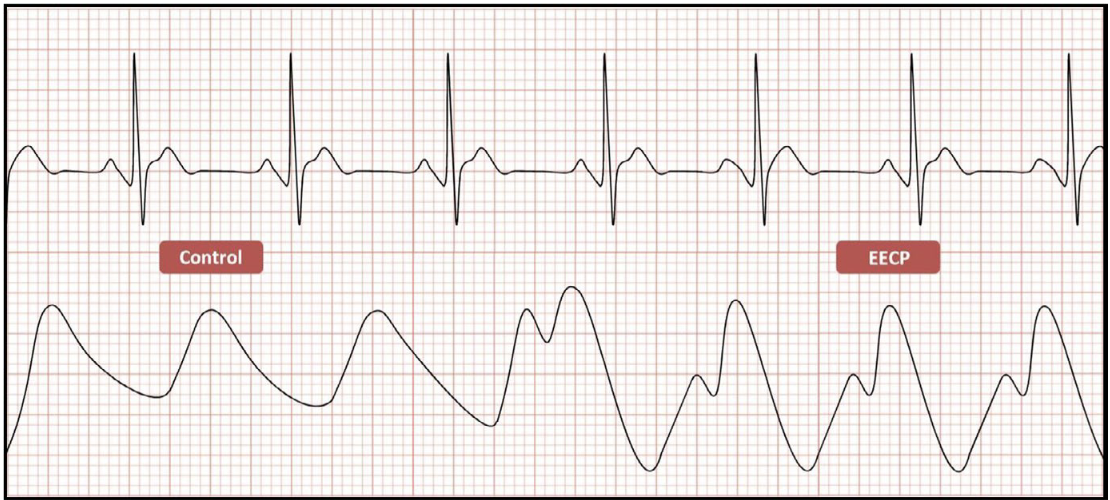
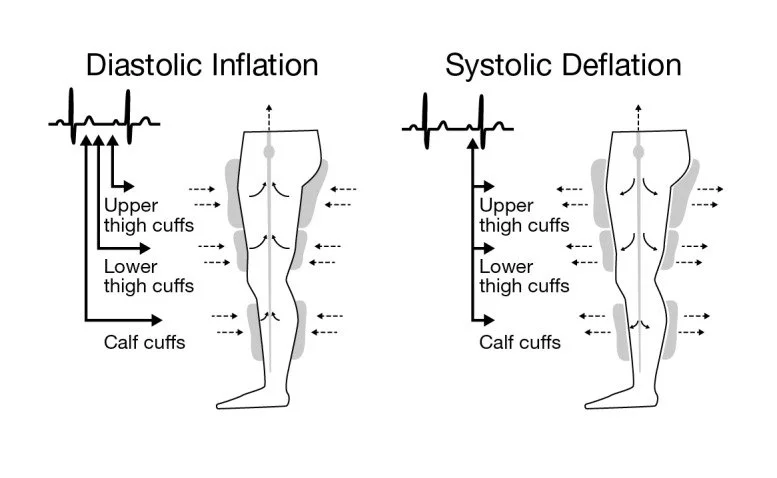
A patient’s quality of life is drastically altered after suffering a stroke, which is an acute cerebrovascular event that can result in brain ischemia, hypoxic damage, and neurological abnormalities as well as sequelae such as language dysfunction, limb malfunction, and cognitive impairment. Cognitive impairment after stroke is caused by degenerative diseases resulting from neural tissue ischemia. Therefore, patients with cognitive impairment following a stroke may achieve some improvement in their clinical symptoms with clinical therapy for nutritional neuropathy, improvement of microcirculation, and hemorheology, along with physical exercise[1,2]. Safe, effective, and noninvasive, enhanced external counterpulsation (EECP) is a mechanical circulatory aid method commonly employed in the treatment of coronary heart disease and angina pectoris. Multiple recent studies have demonstrated the efficacy of EECP in treating ischemic cerebrovascular disease, sleep disturbances, and psychological and psychiatric diseases[3,4]. The mechanism of EECP is to increase both the arterial and venous return of both lower limbs, increase coronary blood flow, and improve the perfusion of the heart, brain, kidneys, and other organs[5]. Statins, which are hydroxymethylglutaryl coenzyme A reductase inhibitors, can significantly boost patients’ cognitive performance and postpone disease progression[6] through their anti-inflammatory, antithrombotic, endothelium-protective, and antioxidant properties. The purpose of this research was to examine the effects of EECP in conjunction with atorvastatin on cognitive performance, neurotransmitter levels, and recovery from brain tissue damage in patients with poststroke cognitive impairment. The findings are detailed below.
MATERIALS AND METHODS
General information
Data from 60 patients with poststroke cognitive impairment due to stroke who were treated in our hospital from February 2021 to July 2022 were analyzed, and the patients were divided into a treatment group (n = 30) and a control group (n = 30) according to the different nursing methods applied. There were 21 men and 9 women in the study group, with ages ranging from 49 to 74 (mean = 61.40, SD = 5.59) years; the average duration since stroke onset was 6.30 ± 1.62 mo, and the average duration since cognitive impairment onset was 5.57 ± 1.14 mo. In the control group, the age ranged from 49 to 73 years, with a mean of 60.30 ± 5.84 years. There were 19 men and 11 women in the control group; the mean duration since stroke onset was 6.50 ± 1.28 mo, and the mean duration since the onset of cognitive impairment was 3.75 ± 0.78 mo. Overall, there was little to no difference in these data between the two groups (P > 0.05). All protocols in this study were approved by the ethics committee of the Shengjing Hospital of China Medical University and abided by the ethical guidelines of the Declaration of Helsinki. The ethics committee waived the requirement for informed consent.
Diagnostic criteria
All patients were diagnosed with stroke by imaging examination, and color ultrasound examination showed that there was a mural thrombus in the bilateral carotid arteries. The patients were diagnosed with mild cognitive impairment as described in the study of Ismail et al[7]: (1) All imaging examinations showed findings in accordance with the diagnostic criteria for stroke; (2) Progressive impairment of cognitive function; (3) Mild memory impairment; (4) Ability to continue daily life; and (5) Cognitive impairment less severe than the threshold for a diagnosis in the Diagnostic and Statistical Manual of Mental Disorders[8]. Reduced capacity to orient oneself, recognize objects, and express oneself in language served as the primary clinical indications.
Inclusion criteria
(1) Imaging findings, physical examination findings, and a thorough review of the patient’s medical history all corroborated the diagnosis, which matched all of the criteria laid forth in the Diagnostic Essentials of Various Cerebrovascular Diseases[9]; (2) Absence of any life-threatening organ malfunction; and (3) Voluntary participation in the research.
Exclusion criteria
(1) Neurological disease, such as Alzheimer’s disease, Parkinson’s disease, or epilepsy; (2) History of brain trauma; (3) Previous stroke or stroke-like event; (4) Existing mental disability before the stroke; and (5) Severe anxiety, depression, or other mental illness.
Methods
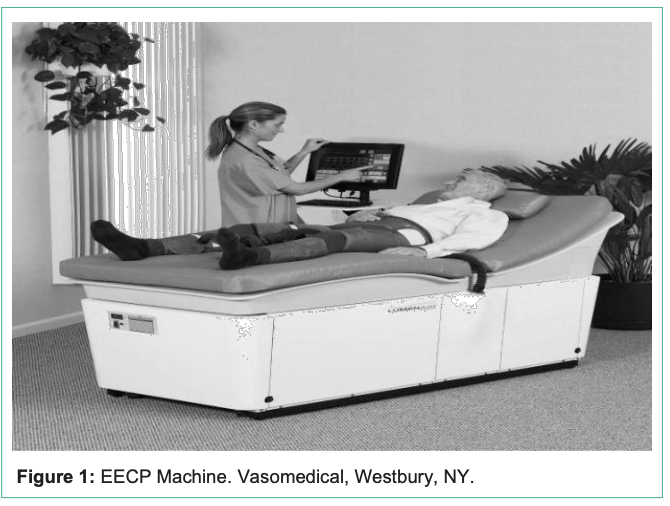
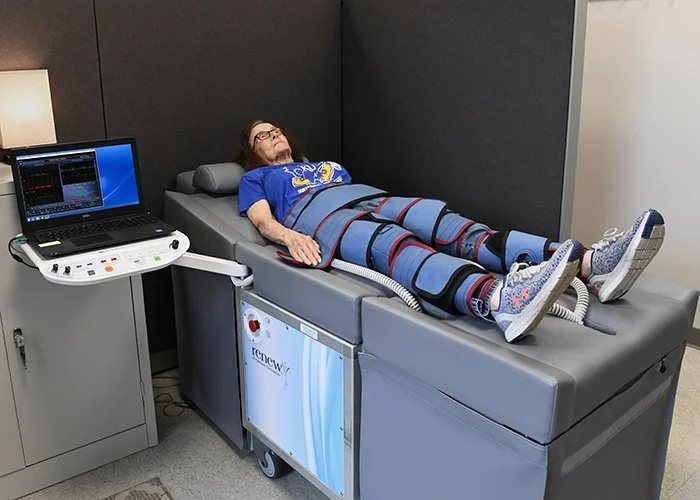
Atorvastatin was used in conjunction with EECP to treat patients in the research group (Pfizer Pharmaceutical Co., Ltd., National Drug Approval No.: H20051408). Patients in the control group were given only atorvastatin. Oxygen saturation was tracked using an EECP instrument (a PECP/TM) to measure EECP. The machine was first warmed for approximately 10-15 min. After the patient was positioned in an appropriate posture for treatment, sandpaper was used to smooth the skin around the electrode connection site, and alcohol was used to disinfect the immediate area. The white, red, and black electrodes were fixed under the left clavicle or near the manubrium, the apex of the heart, the upper right abdomen, or the lower right rib. Then, a finger pulse oximeter was placed on a finger of the right hand of the patient, ensuring that the electrode was in a position free from or minimally affected by vibration, the red and white electrodes were not too close, and the electrode position did not affect the inflatable cuff. The standard inflation pressure ranged from 0.025 to 0.045 MPa, with adjustments made during the operation based on the patient’s response to the pressure. At the end of treatment, the finger pulse oximeter was removed, the inflatable cuff was unfastened, the electrode leads and electrodes were removed, and the patient was helped in tidying up his or her clothes and leaving the counterpulsation bed. The patient was required to remain under observation for 10 min without any discomfort before leaving. The treatment was performed once a day, 1 h/session, 6 d a week for 6 consecutive weeks, for a total of 36 sessions. Atorvastatin (20 mg) was given once daily for 24 wk.
Observational indexes
Clinical data of patients in the two groups were collected, and the Mini-Mental State Examination (MMSE)[10], Montreal Cognitive Assessment (MoCA)[11] and activities of daily living (ADL)[12] scores were compared between the two groups. Serum acetylcholine (ACh), acetylcholinesterase (AChE), nitric oxide (NO), endothelin-1 (ET-1), β2-microglobulin (β2-MG), visinin-like protein-1 (VILIP-1) and glial fibrillary acidic protein (GFAP) levels were compared between the two groups. The blood flow conditions of the bilateral anterior cerebral artery (ACA), middle cerebral artery (MCA) and posterior cerebral artery (PCA) were compared between the two groups before and after treatment. The pulsatility index (PI) and resistance index (RI) of each artery were calculated according to the blood flow velocity of the left and right arteries during the peak systolic period (Vs), end-diastolic blood velocity (Vd) and average blood flow velocity (Vm), with PI = (Vs-VD)/Vm, and RI = (Vs-VD)/Vs.
The MMSE includes five different elements, with a total of 30 items and a total score of 30 points. The better the patient’s mental condition, the higher the score. The total possible score on the MoCA is 30 points, and a MoCA score < 26 points indicates that the patient has cognitive impairment. The total possible score on the ADL scale is 100 points, and the higher the score, the better the patient’s daily living ability. The abbreviations for the cerebral arteries are left ACA (LACA), right ACA (RACA), left MCA (LMCA), right MCA (RMCA), left PCA (LPCA), and right PCA (RPCA).
Statistical methods
SPSS 20.0 was employed for processing and analyzing the data. The values for the measurements are presented as “mean ± SD”. The t test for independent samples was used to evaluate differences between the groups. Within-group comparisons of pre- and posttreatment values were performed using the paired t test. The χ2 test was used to make comparisons, with count data being reported as frequencies and category ratios. P < 0.05 was considered to indicate a statistically significant difference.
RESULTS
Comparison of MMSE, MoCA, and ADL scores between the two groups
There were no statistically significant differences between the groups in the pretreatment MMSE, MoCA, or ADL scores (P > 0.05). The treatment group showed statistically significant (P < 0.05) improvements in the MMSE, MoCA, and ADL scores after treatment compared to the control group, as shown in Table 1 and Figure 1A.
Continue Reading