By Bob DeLuca, Bob's Healing · Nevada City & Auburn, CA
When you're living with chronic angina, even everyday activities can become more difficult. Walking, gardening, or simply enjoying time with family may not feel as easy as they once did. If you've been looking for additional ways to support your heart health, EECP therapy at Bob’s Healing in Nevada City is one non-invasive option you may want to learn more about.
After more than 25 years working with people and their health, I've come to appreciate how important it is to understand the body as a whole. I want to share what EECP is, how it works, and what the research tells us, so you can have a better understanding of whether it may be worth exploring.
Why Healthy Circulation Matters for Heart Health
Your heart works around the clock to deliver oxygen-rich blood throughout your body. When coronary arteries become narrowed by plaque buildup, blood flow to the heart muscle can become restricted. This is known as coronary artery disease (CAD).
When the heart doesn't receive enough oxygen, particularly during physical activity, a person may experience angina. Symptoms can include chest pressure or discomfort, shortness of breath, fatigue, or discomfort in the shoulders, arms, neck, jaw, or back.
For many people, these symptoms affect much more than physical health. They can limit independence and make activities that once brought joy feel challenging. That's one reason I believe supporting healthy circulation is such an important part of overall well-being.
What Is EECP Therapy and How Does It Work?
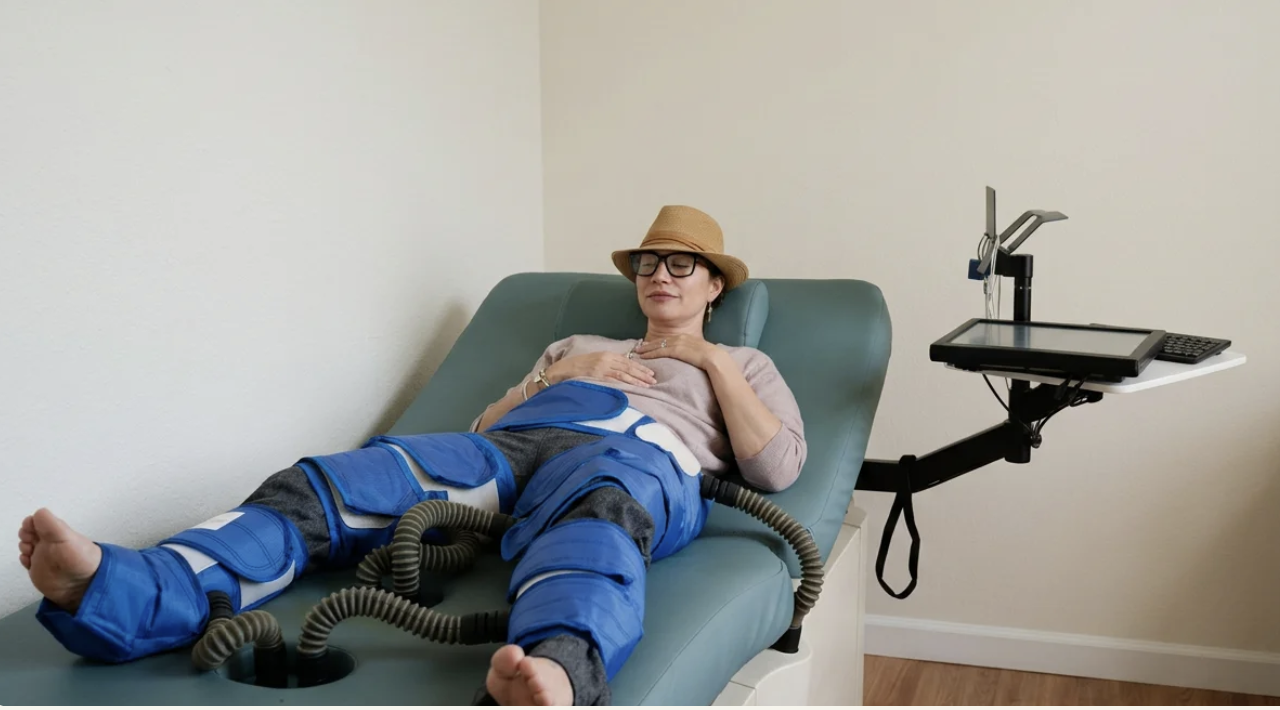
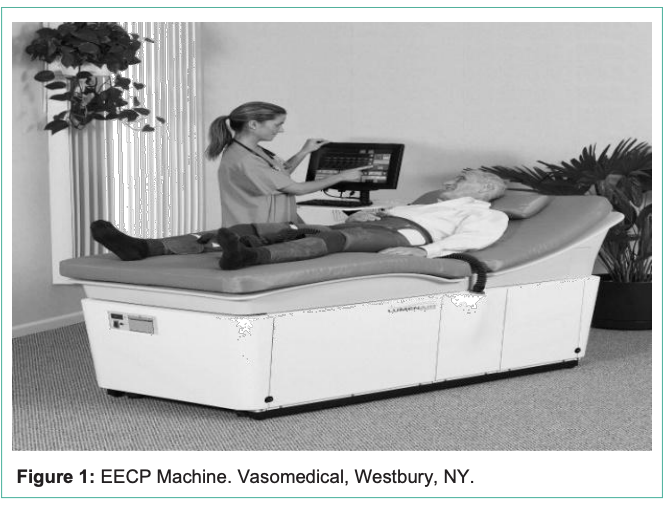
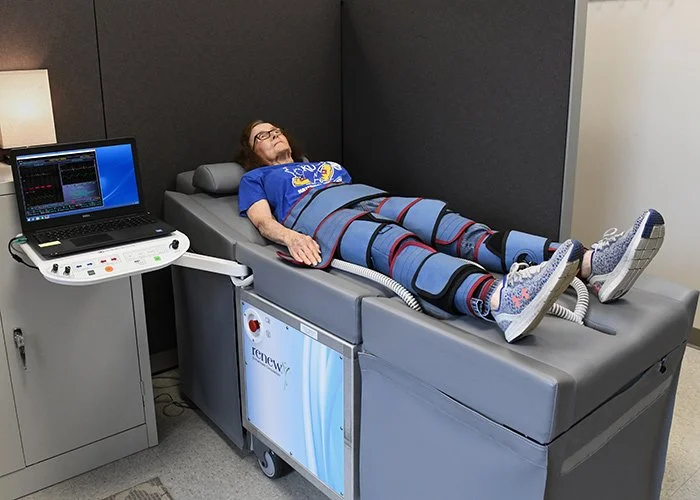
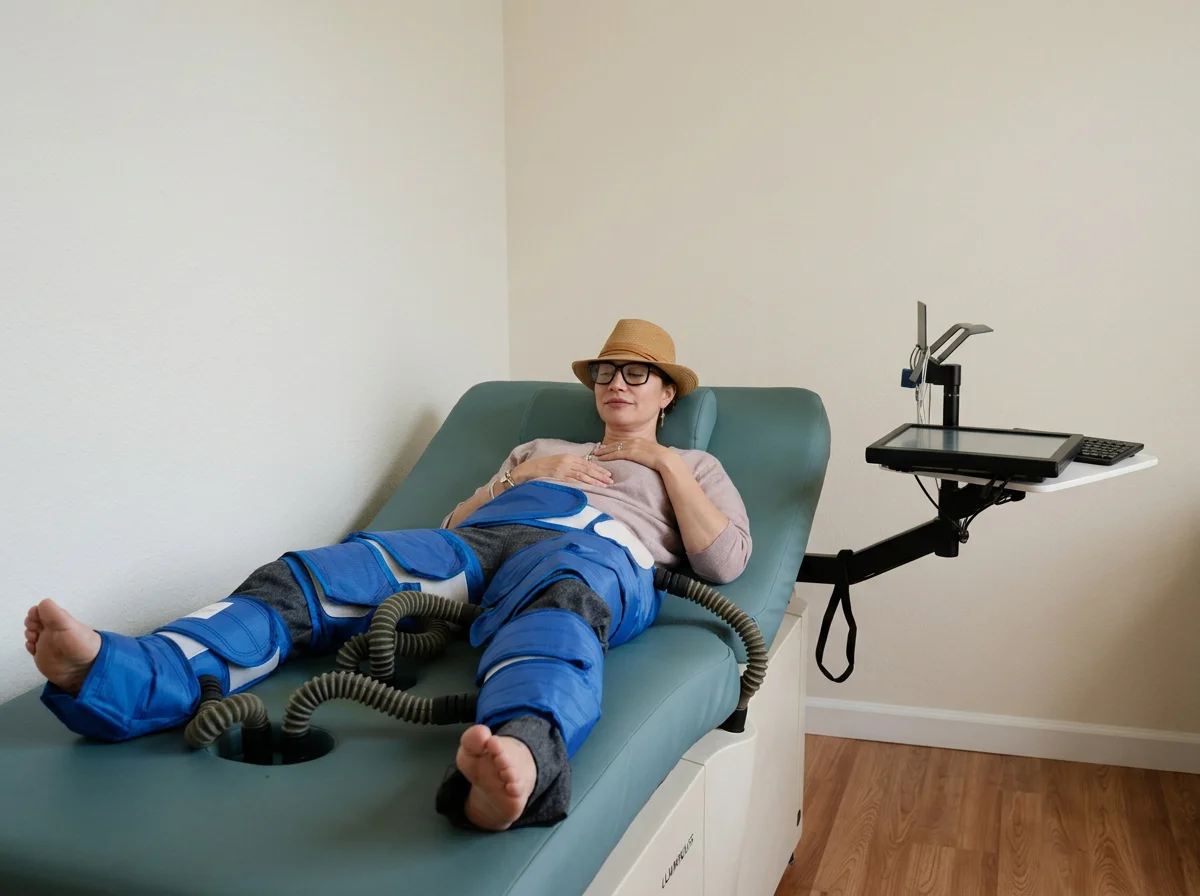
Enhanced External Counterpulsation (EECP) is a non-invasive therapy that uses specially designed pressure cuffs placed around the calves, thighs, and buttocks.
The cuffs inflate and deflate in time with your heartbeat. This carefully timed process is designed to support blood flow toward the heart while reducing the resistance the heart works against when pumping.
Here's a simple look at how it works:
As the heart relaxes: The cuffs inflate in sequence, helping move blood back toward the heart and support blood flow to the coronary arteries.
Before the heart pumps: The cuffs rapidly deflate, reducing resistance against which the heart must pump.
Over repeated sessions: EECP may support changes in circulation and the development or function of collateral blood vessels—smaller pathways that can help supply blood to heart tissue.
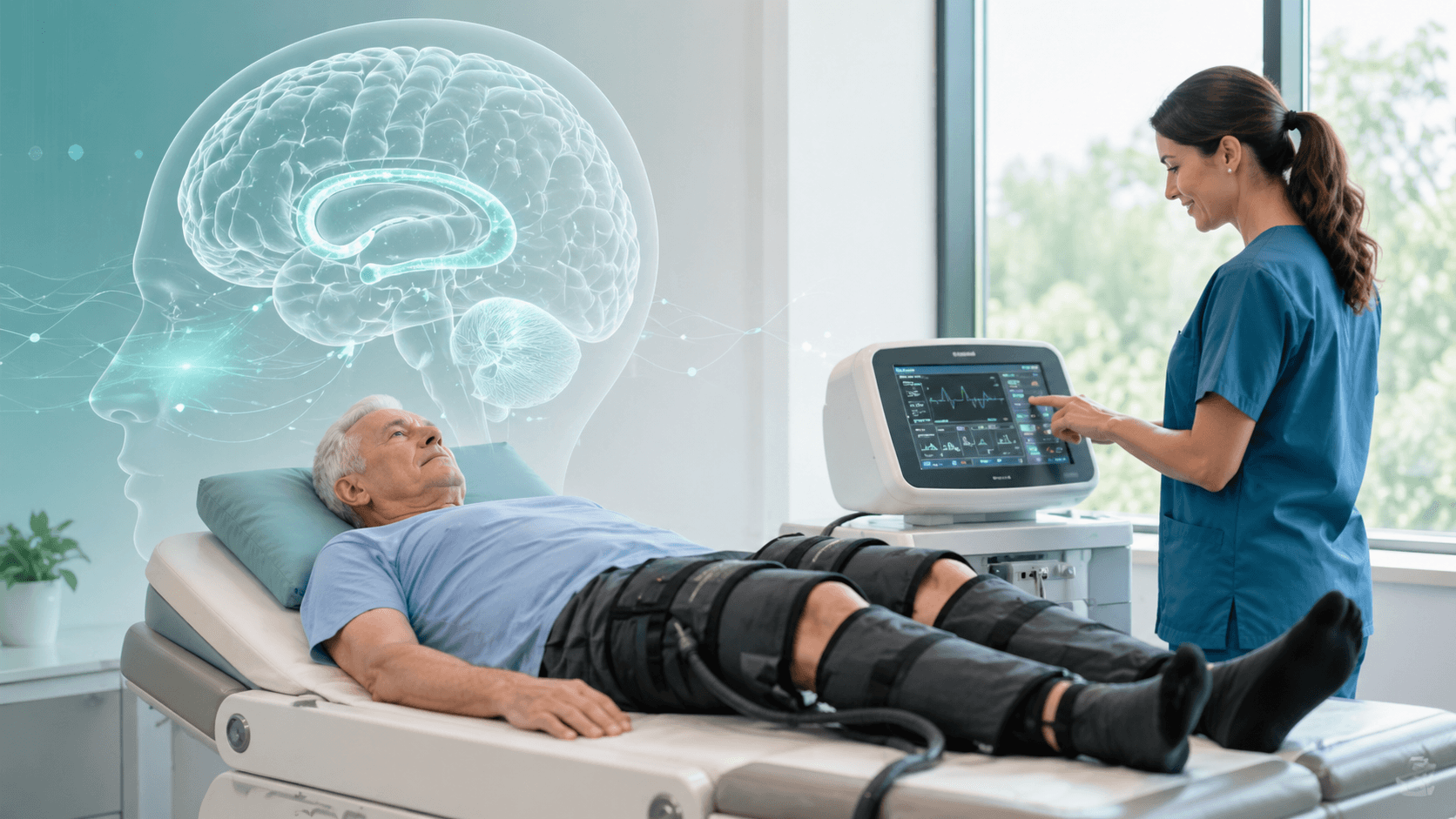
Therapy takes place while you lie comfortably on a treatment table. There is no surgery, injection, or implanted device involved.
I often describe EECP as a way of supporting circulation through carefully timed external pressure. It's an interesting approach because it works with the body's natural cardiac rhythm rather than asking the heart to work harder through exercise.
How EECP May Help People With Chronic Angina
One of the hardest parts of chronic angina is not knowing when symptoms might interfere with your day. For some people, medications and lifestyle changes provide relief. Others continue to experience symptoms despite conventional treatment.
This is where EECP may be worth discussing with a cardiologist. The 2023 American Heart Association and American College of Cardiology guidelines recognize EECP as an option that may be considered for people with persistent angina who have limited treatment alternatives (Virani et al., 2023).
Research has explored several potential benefits, including:
Fewer angina symptoms: Some patients experience fewer episodes of chest discomfort.
Improved exercise tolerance: Some people find it easier to participate in everyday physical activities.
Better quality of life: Symptom relief may help people feel more confident and independent.
Circulation support: EECP may encourage the development and function of collateral blood vessel pathways.
The landmark MUST-EECP study found improvements in measures of exercise-induced ischemia among people with chronic angina (Arora et al., 1999). A 2026 systematic review of 26 studies also reported improvements in angina symptoms, exercise capacity, and quality of life. While the findings are encouraging, the studies varied in design, and further high-quality research is needed (Ulavala et al., 2026).
I find this research encouraging because it gives people with ongoing symptoms another therapy option to learn about. Of course, everyone's health is different, and results can vary. The most important thing is finding an approach that's appropriate for your individual needs.
Who May Be a Candidate for EECP Therapy?
EECP is most established for people with chronic, refractory angina—meaning symptoms continue despite medical treatment, particularly when other procedures to restore blood flow are not suitable.
It may be worth discussing with your healthcare provider if you:
Have coronary artery disease and ongoing angina symptoms.
Continue to experience chest discomfort despite prescribed medications.
Have had a cardiac procedure but still experience symptoms.
Have limited options for additional cardiac procedures.
Want to learn more about non-surgical approaches to managing chronic angina.
Not everyone is a suitable candidate, so an individual medical evaluation is essential. Your healthcare provider can review your medical history, medications, heart rhythm, and overall health to determine whether EECP is appropriate.
An important distinction: EECP is sometimes described as a “natural bypass” because therapeutic EECP may encourage the development of collateral blood vessels (natural bypass pathways) and improve blood vessel function, helping the heart receive oxygen-rich blood more efficiently. But, it's important to remember, it does not remove arterial blockages, replace bypass surgery, angioplasty, and should never delay a medically necessary cardiac procedure. This is a non-invasive therapy option for select patients.
What to Expect From EECP Therapy
One thing many people appreciate about EECP is that it doesn't require surgery or a hospital stay.
During therapy, you'll lie comfortably on a treatment table while cuffs are placed around your calves, thighs, and buttocks. Sensors monitor your heartbeat so the equipment can synchronize the cuffs with your cardiac cycle. The cuffs then inflate and deflate in a carefully timed rhythm while you just relax.
A commonly used therapeutic schedule consists of 35 one-hour sessions; typically five days a week over seven weeks. Your healthcare provider will help determine the appropriate schedule for you.
I believe good care starts with listening. Every person has a different health history, different challenges, and different goals. Taking the time to understand those differences is just as important as understanding the therapy itself.
EECP Therapy in Nevada City and Auburn
For people in Nevada City, Grass Valley, Auburn, and surrounding communities, having access to additional heart-health options can make a meaningful difference.
At Bob's Healing, I bring more than 25 years of hands-on osteopathic experience to my work with advanced therapeutic technologies, including EECP. My approach has always been centered on working with the body, not on it. I believe in listening, looking at the whole person, and helping people better understand the options available to them.
Our Nevada City Healing Center is located at 119 Argall Way, and we also serve patients at our Auburn location.
If you're searching for EECP therapy or exploring non-invasive angina therapy in Northern California, I'd be happy to help you learn more and discuss whether this approach may be appropriate for your situation.
You can also learn about our other therapies, including SoftWave Acoustic Therapy and Osteopathic Manual Therapeutics.
A Different Way to Think About Heart Health
To me, heart health is about more than managing a diagnosis. It's about being able to enjoy everyday activities, spend time with the people you love, and feel more confident in your body.
For some people, EECP may offer another path worth exploring. If you or someone you love is struggling with ongoing heart-related symptoms, I'd welcome the opportunity to talk with you about EECP today.
Schedule a free consultation with me at Bob's Healing or call (530) 802-0801.
Your health journey is personal and the first step is having a conversation about what may be possible for you.
Frequently Asked Questions about EECP
Is EECP therapy painful?
No. Most people adjust to the rhythmic pressure of the cuffs. Some pressure is expected, but therapy should not be painful. Let your provider know if you experience discomfort.
Can EECP reduce the need for heart bypass surgery?
EECP may help reduce angina symptoms in some appropriately selected patients, but it does not replace bypass surgery when surgery is medically necessary. Always discuss treatment decisions with your cardiologist.
How many EECP sessions are typically needed?
A commonly used course consists of 35 one-hour sessions over approximately seven weeks. Your healthcare provider can determine whether this schedule is appropriate.
Is EECP only for older adults?
No. Suitability depends on a person's diagnosis, symptoms, medical history, and overall health—not age alone.
Research and References
Arora, R. R., Chou, T. M., Jain, D., Fleishman, B., Crawford, L., McKiernan, T., & Nesto, R. W. (1999). The multicenter study of enhanced external counterpulsation (MUST-EECP): Effect of EECP on exercise-induced myocardial ischemia and anginal episodes. Journal of the American College of Cardiology, 33(7), 1833–1840. https://doi.org/10.1016/S0735-1097(99)00140-0
Virani, S. S., et al. (2023). 2023 AHA/ACC/ACCP/ASPC/NLA/PCNA Guideline for the Management of Patients With Chronic Coronary Disease. Journal of the American College of Cardiology. https://doi.org/10.1016/j.jacc.2023.04.003
Ulavala, P., Sarwar, M., Mishra, U., Adedokun, S. D., & Kamoga, G.-R. (2026). Enhanced external counterpulsation versus standard medical therapy for chronic refractory angina: A systematic review and meta-analysis. Biomedicines, 14(9), 2093. https://doi.org/10.3390/biomedicines14092093
This article is for educational purposes and is not a substitute for medical advice, diagnosis, or treatment. EECP candidacy should be determined by a qualified cardiovascular healthcare provider. Never delay emergency care for chest pain or suspected heart attack.
Continue Reading